What a Design Company Actually Changes Behind the Scenes
When most people think of a design company, they picture someone creating logos or picking out colors. That’s part of it, but there’s a lot more going on behind the curtain. What gets seen at the end, the clean website, the polished ad, the strong brand look, is only possible because of planning, problem-solving, and quiet decisions people rarely talk about. Much of that work happens long before a design is ever shown to a client.
What we actually change, fix, and fine-tune isn’t always visible, but it matters just as much, if not more. A design company builds those results by working through dozens of choices early on and staying flexible as the project moves. Every piece connects back to the bigger picture someone wants to show the world. That’s why the real work starts before any design takes shape.
What Happens Before a Mockup is Ever Made
The early part of a project isn’t flashy, but it’s where we get the clearest sense of what matters to the client. Before anything visual gets built, we ask questions to understand goals, style, tone, and the kinds of people the work needs to reach. That part doesn’t show up in the final design, but it shapes everything that does.
• We talk through purpose, is this piece meant to inform, sell, or do both?
• We look at who’s going to see it and how they usually interact with content
• We work through tone so the design matches the way the message should feel
Once we’ve gathered the right info, we map things out behind the scenes. This planning phase sets the path forward. Color choices, layout options, even how we structure the flow of visuals, it all starts here, backed by quiet strategy.
Decisions You Don’t See but Definitely Feel
There are certain things that don’t stand out when you look at a design, but you’d feel the difference right away if they weren’t handled well. Think of the spacing between words, the balance of photos and text, and the way each piece leads your eye to the next. These are the kinds of decisions we test, tweak, and sometimes scrap if they distract from the message.
We go through rounds of small changes like:
• Checking if the type is easy on the eyes and reads clearly at different sizes
• Making sure headlines don’t crowd visuals or compete for attention
• Adjusting the rhythm of spacing so it doesn’t feel crammed or too empty
These aren’t loud changes, but they matter. They improve flow, keep attention, and help people stay focused on what’s important. A smooth-looking design usually means someone spent extra time cleaning up what the user doesn’t remember noticing.
Coordinating Brand Voice with Visual Choices
Design isn’t just about how something looks, it’s about how it sounds and feels too. That’s why we think about voice while we work with visuals. If a message has a serious tone, the design should support that in quiet ways. If it’s playful or casual, that should show up in the fonts, shapes, and colors we use.
This goes deeper when we look across multiple platforms. Something that’s meant for a website won’t look quite the same as something built for X, or printed in a brochure, but they should still feel like part of the same voice. We adjust our visual decisions depending on where and how someone is seeing them.
• Matching font tone with copy, avoiding hard sharp angles when the tone is softer
• Picking images that reflect the pace and emotion of the message
• Testing how a layout handles different copy lengths without changing the mood
A design company brings the voice to life through many of these smaller choices, so the message doesn’t just look good, it feels right too.
Design Tools and File Work You Never Think About
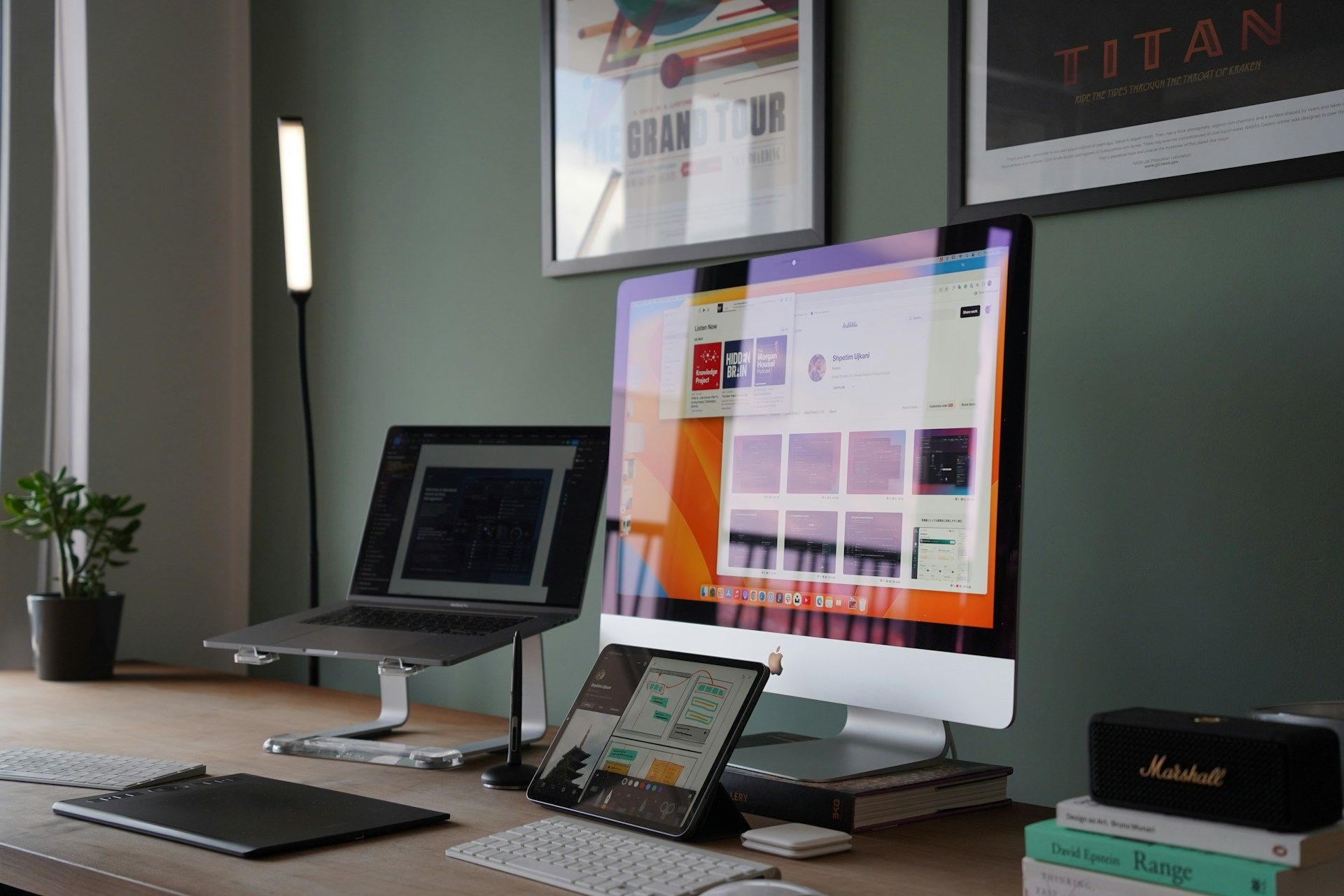
Before a single image goes live, we spend time getting the files right behind the scenes. Fonts need to load quickly. Images should look crisp on any screen. Colors have to match accurately whether it’s a postcard or a phone screen. These kinds of tasks don’t get talked about much, but they protect the quality of the design.
Here’s some of the file prep work we handle:
• Compressing assets to keep speed fast without losing sharpness
• Double-checking that exported files match the platform requirements
• Organizing layers so changes can be made without starting over
We also keep track of version history and make sure the right file gets used for the right need. If someone accidentally pulls an old draft into a campaign, it can break consistency and confuse users. That’s why our background work matters, good design needs good structure to stay ready and reliable.
Timing, Feedback, and Matching the Real World
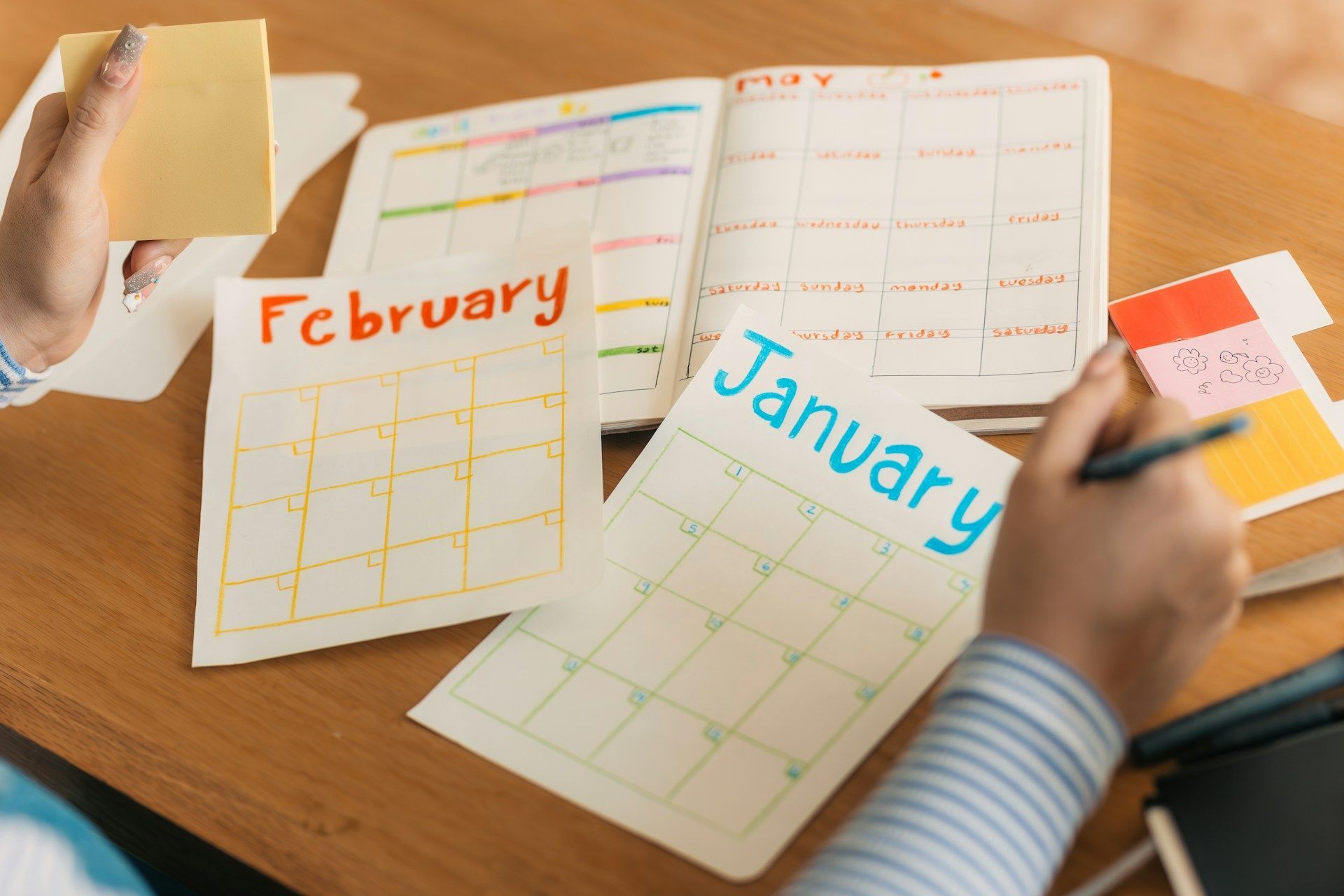
Design isn’t built in a vacuum. The timing of when something gets released affects the choices we make while building it. Toward the end of winter, for example, people begin looking ahead to what’s new, what they can clean out, what they can improve, or how messaging might shift for a fresh start. That seasonal mindset helps guide tone and layout.
We plan for deadlines differently depending on whether the project is long-term or quick-turn. Even faster jobs still go through a feedback cycle. Edits are part of the process. Some come early, others show up after the client sees how it fits with the rest of their brand.
• We leave time to gather and apply feedback before final delivery
• We adjust plans if a product or promo needs to hit during a change in season
• We pay attention to events or triggers that could shift audience mood or focus
Matching the design to real-world context helps it feel natural when people see it. When the visuals line up with the pace of the moment, they land better.
Why the Final Look Only Tells Half the Story
What shows up publicly, a flyer, a website graphic, a packaging layout, is backed by hours of work that never makes the surface. That final product may look simple at first glance, but there’s a lot tucked behind every line and color choice. Iterations, edits, and planning steps build the path to something that feels finished.
The Real Value Behind Good Design
We don’t treat design as a last-minute task. Each project is shaped by what a person or brand is trying to say, and every small adjustment matters along the way. From the first chat to the final upload, we manage more than how things look, we guide how they feel.
Oddball Creative’s design services include brand development, campaign design, digital ads, logo and identity packages, and collateral design, with every project handled by specialists in both strategic direction and technical execution as described on our branding and design services page.
A good design company doesn’t only care about layers and fonts. We care about how each decision connects to the one before it. That’s what turns quiet behind-the-scenes work into something solid people can rely on.
We know how much work happens behind the scenes to create designs that feel simple, clear, and intentional. If each piece connects without distraction, it’s because the foundation was solid from the start. That’s what we focus on every time we take on a project as a
design company. Every layout, color choice, and bit of space is planned to carry the right message all the way through. When you’re ready to build something that works deeper than the surface, contact Oddball Creative.